AOP
Côtes du Vivarais
Since 1999
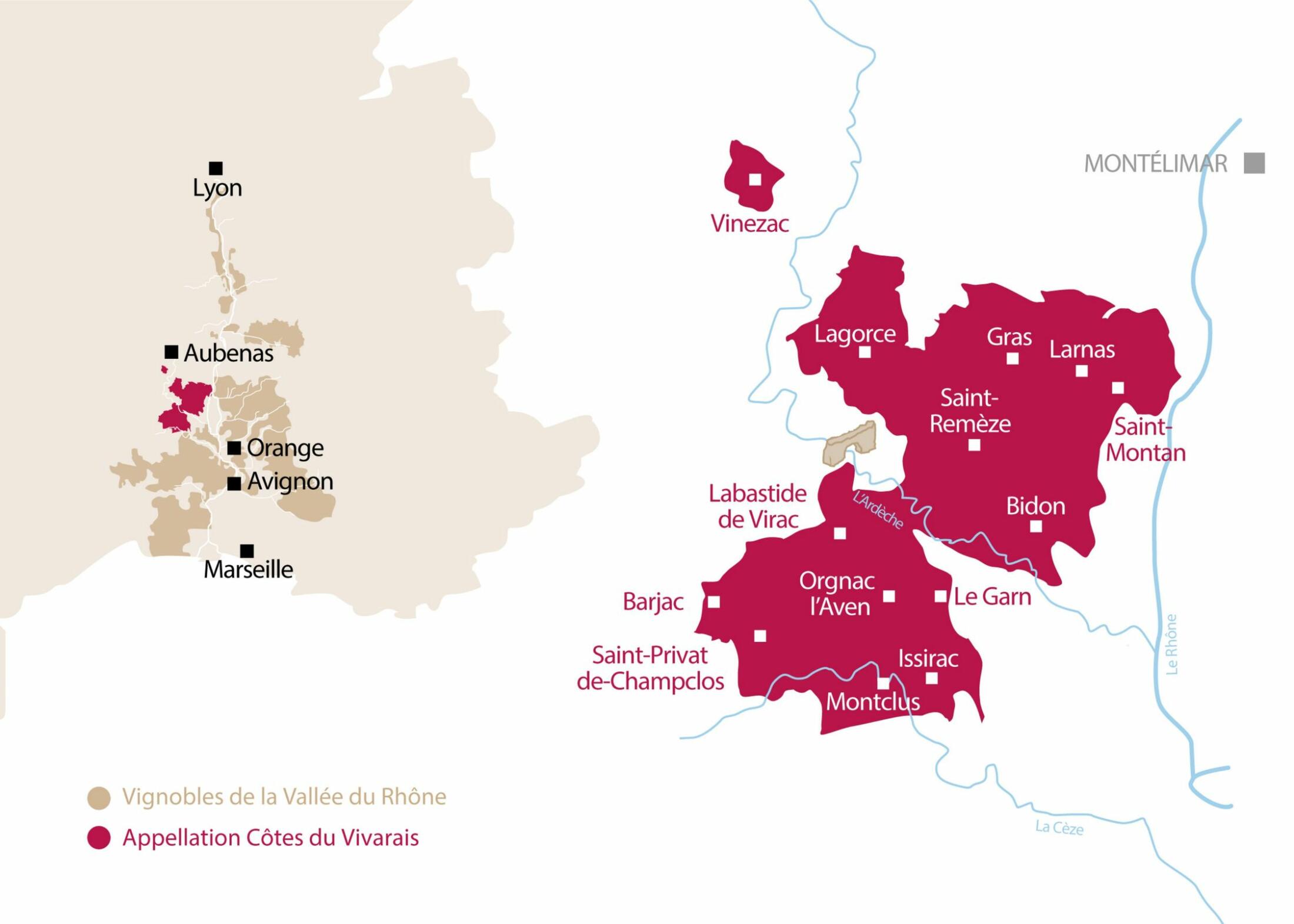
Bidon, Gras, Larnas, Labastide de Virac, Orgnac l’Aven, Saint-Montan, Saint-Remèze, Lagorce, Vinezac – and 5 in the Gard department.

The Vivarais plateau vineyard, situated at 250m altitude, overlooks the Rhône and lies directly above the Ardèche, a generous tributary. The plateau encompasses no fewer than 9 communes in Ardèche and 5 communes in Gard. In Ardèche, the commune of Vinezac stands out for its limestone soil nestled within a sandstone band. A distinctive feature that connects it to the AOP Côtes du Vivarais.
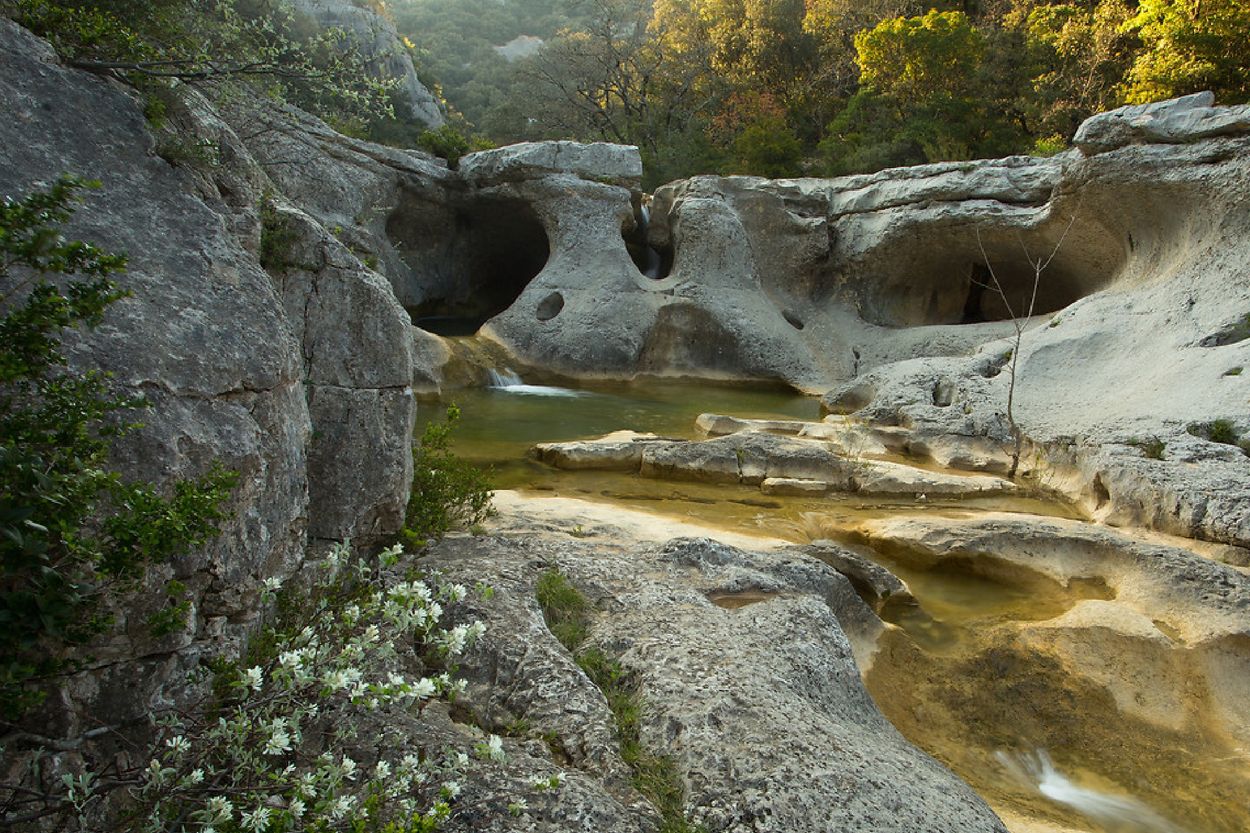
The territory, traversed by enthusiasts of remarkable natural spaces, is a place of historical discoveries and natural gems, such as the famous Pont d'Arc. This unique arch, nearly 60m in both height and length, is a true link between the two production areas of Côtes du Vivarais.
Vivarais, a territory of crossing, generosity, and vitality.
A Gallic region and then Roman Helvie, Vivarais has been a land of vines for over 2,000 years. In turn, indigenous peoples have taken care to cultivate this vineyard overlooking the Rhône Valley. Today, women and men unite their strengths, knowledge, and passion around Côtes du Vivarais. They shape the vine, grow the grapes, patiently vinify to produce a wine in their image: distinctive and elegant.
Set upon limestone plateaus, rooted in white stones, the vines of AOP Côtes du Vivarais are worthy of respect.. Like those who inhabit the territory, they endure the sharp cold of winter mornings, the persistent mistral, and summer heat. These constantly resilient vines find their balance and strength by navigating these conditions, just as water has shaped the karst over millennia to sculpt the Pont d'Arc and the spectacular Ardèche gorges. This powerful, breathtaking, sometimes harsh territory is the terrain of expression for Côtes du Vivarais winemakers. To drink their wines is to connect with the origins of the landscapes, with the origins of humankind.
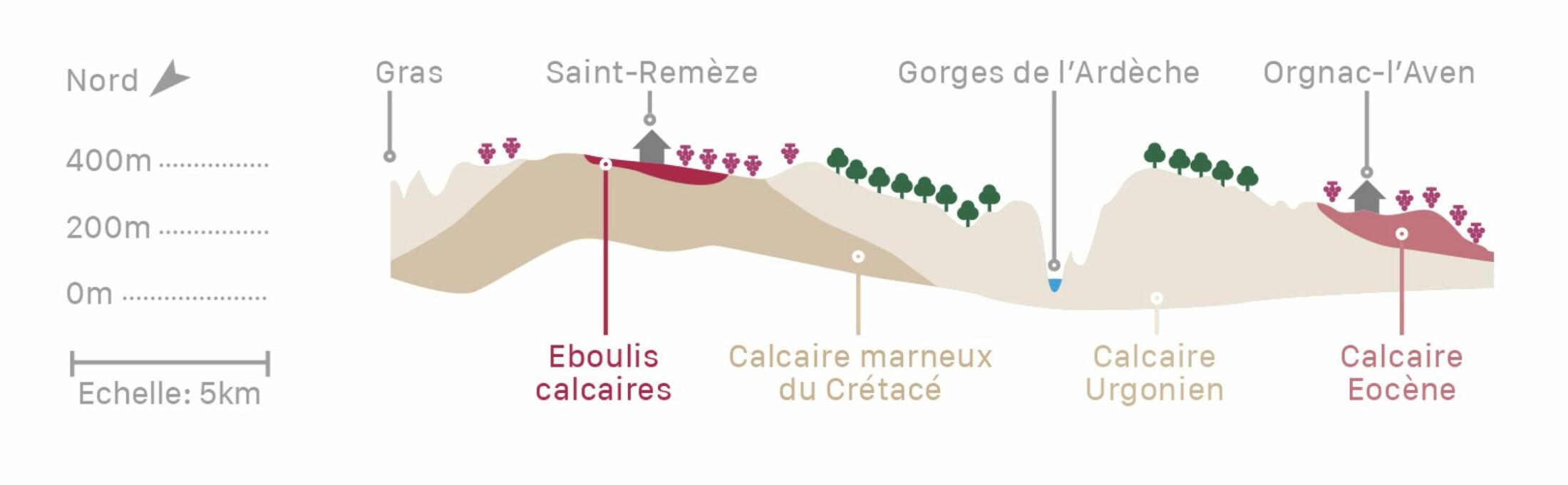
The soils are marly or limestone and shallow. The abundance of stones allows the vines to benefit from soil warming in spring and the nocturnal release of heat stored during the day.
The softness of lavender fields, the nobility of olive groves, and the boldness of holm oak forests... have accompanied the vines of Côtes du Vivarais for centuries. The Mediterranean climate, on this windswept limestone plateau with temperate nights, allows optimal ripening of grapes that retain all their freshness. Despite demanding climatic conditions, the vine flourishes thanks to the balance of clay, which retains water, and limestone, which releases at night the heat accumulated during the day. These rocks play an essential role in regulating the vine's water supply and soil drainage.
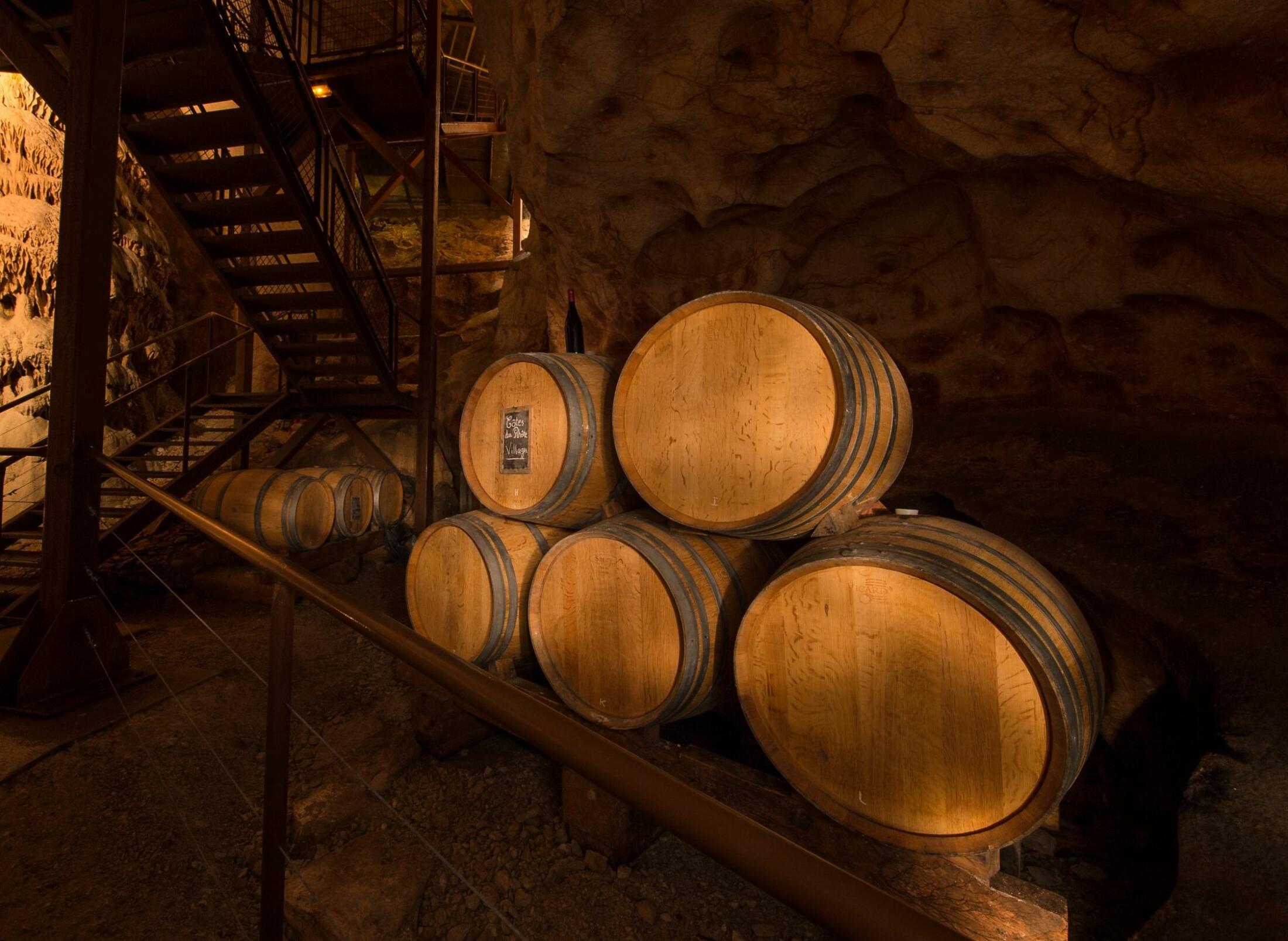
The Urgonian limestone of Orgnac-l'Aven and Saint-Montan, like the gravel zones around Saint-Remèze, have the distinctive feature of providing more regular water supply. Beneath this Rhône Valley vineyard, limestone rock is everywhere. It offers one of the world's most spectacular underground networks, including the famous Grotte Chauvet, a UNESCO World Heritage site, and the Aven d'Orgnac, a Grand Site de France. Chasms, caves, gorges create an enveloping atmosphere conducive to the development of art and the sacred. Sharp, corroded, full, sculpted... the karst guides the roots, warms them, nourishes them. It is this unique geology, cradle of humanity, that allows Côtes du Vivarais to combine intensity and aromatic freshness.
The Côtes du Vivarais vineyard, located near the Ardèche Gorges, benefits from a Mediterranean climate and the influence of the Mistral, ensuring full ripeness of the grapes. Vine cultivation dates back over 2,000 years, to the Gallic Helvians, and prospered thanks to favorable climatic conditions. In the Middle Ages, abbeys and priories contributed to its development, as testified by Olivier de Serres at the end of the 16th century, praising the quality of Vivarais wines.
"The Vivarais wines, so precious and delicate that there is no need to seek elsewhere."
Olivier de Serres
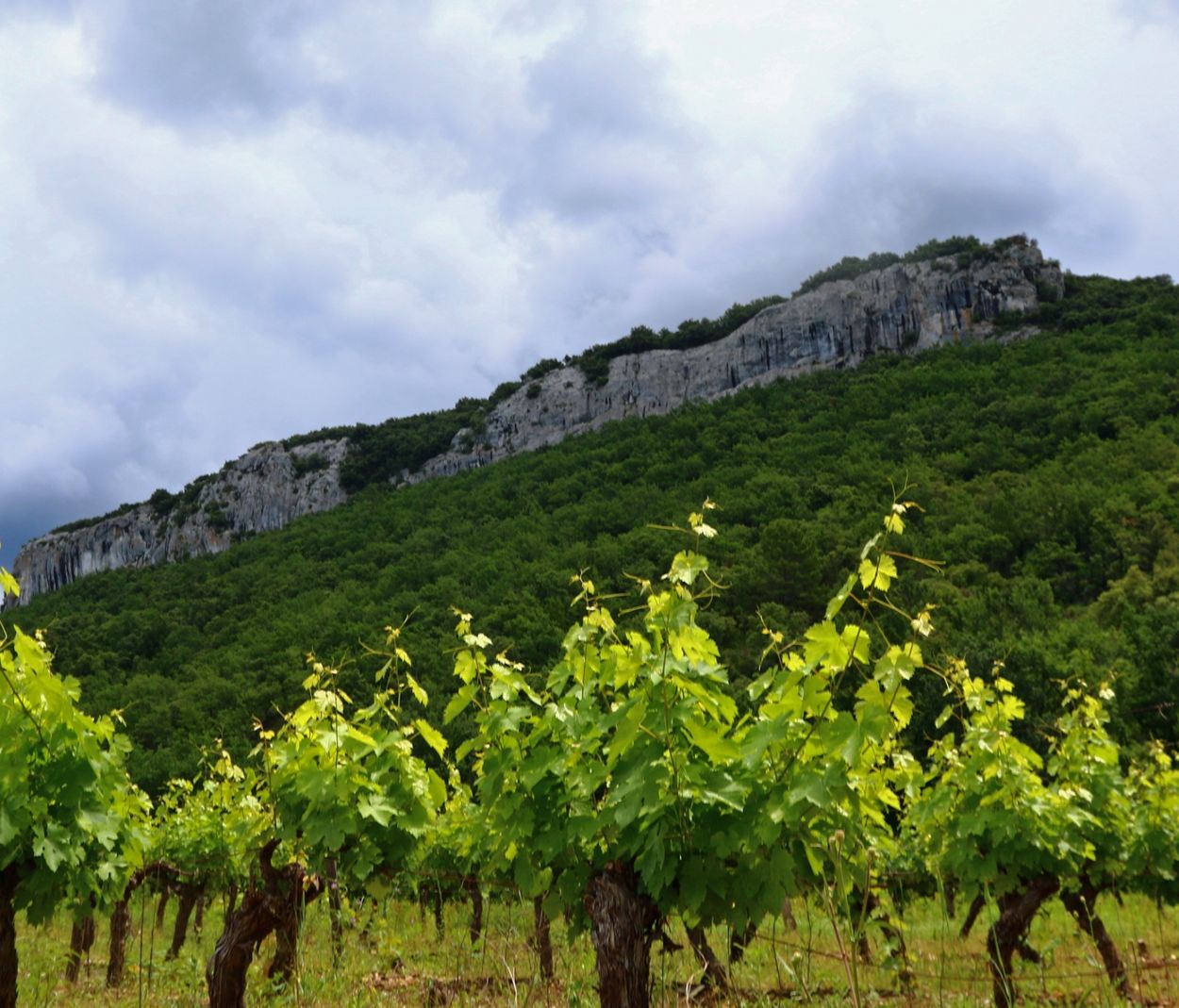
The karst sculpts the landscapes where the vine grows, with its limestone cliffs and varied soils, sometimes carved by deep gorges or covered with garrigue. These soils conceal geological treasures such as caves and avens.
The soils are marly or limestone and shallow. The abundance of stones allows the vines to benefit from soil warming in spring and the nighttime release of heat stored during the day.
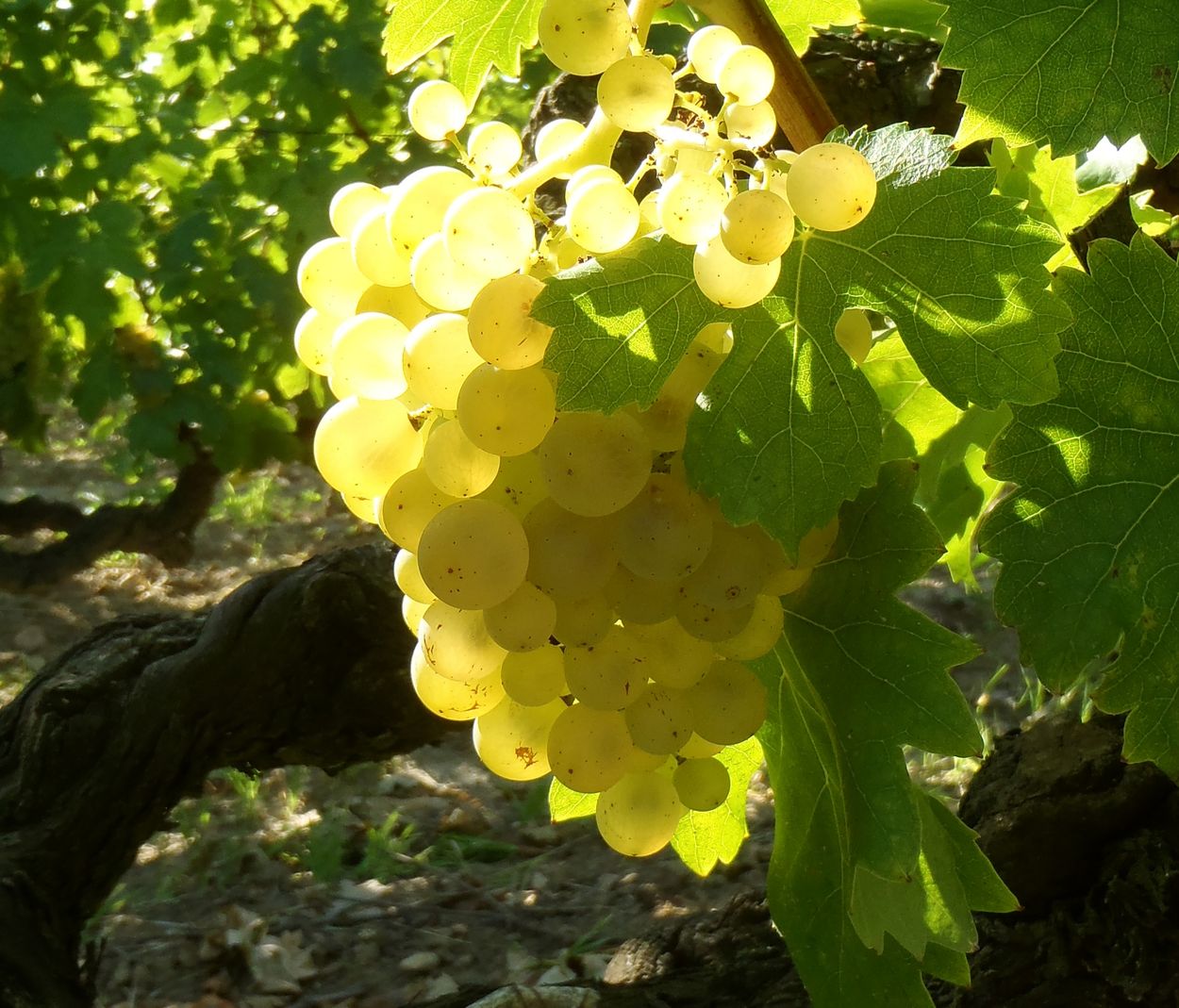
Today, women and men unite their strengths, knowledge, and passion around Côtes du Vivarais. They shape the vine, grow the grapes, patiently vinify to produce a wine in their image: distinctive and elegant.
It refers to the name of a specific region or location and contains a link to a terroir (geographical environment, natural and human factors). Wine under AOP is produced in the considered geographical area, exclusively from grapes from a defined list of grape varieties originating from this same geographical area. The quality and characteristics of the wine are strongly linked to the geographical environment from which it originates.
Production area 2024:
136 HA
Average yield:
32 HL/HA
Main grape varieties: Grenache Blanc, Grenache Noir, and Syrah
Total production in 2024:
4 321 HL
Export share:
2%
Soils:
Limestone / Clay
Altitude:
250 meters
16 estates
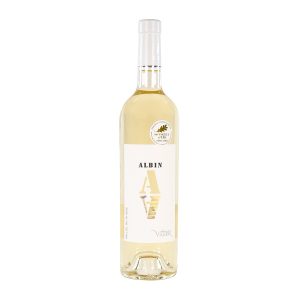
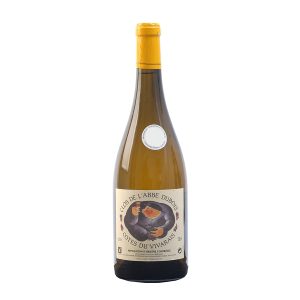
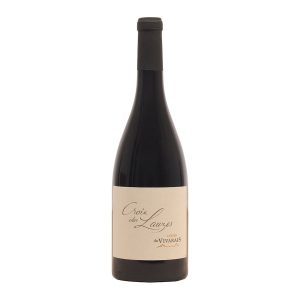
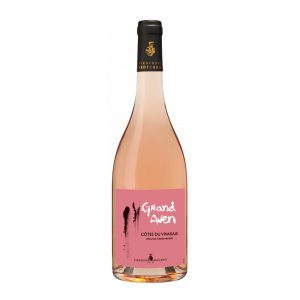
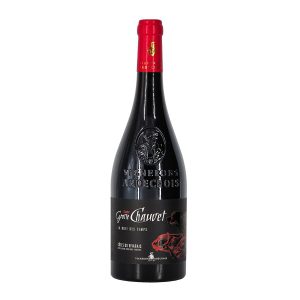
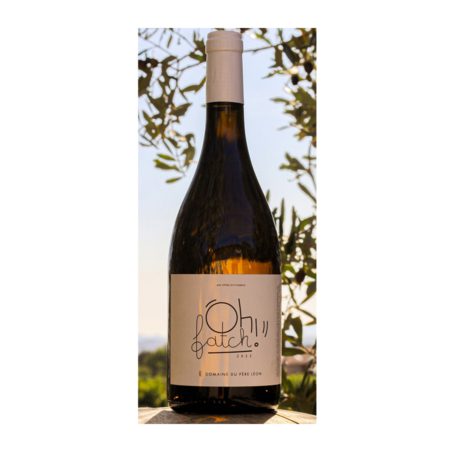
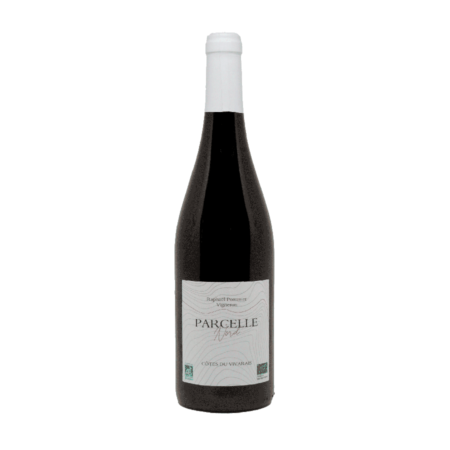
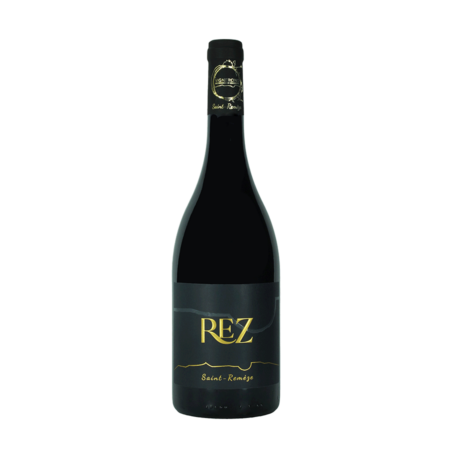
Retour en images sur le Festivin AOP Côtes du Vivarais 1ere édition 2024 !
La première édition de Festivin AOP Côtes du Vivarais a brillamment clôturé Mois de Mai, Mois du Vivarais qui permet tout au long du mois de mai de parcourir le terroir vivarais. Cet événement phare a mis en lumière la richesse viticole et culturelle de notre belle région ardéchoise. Le Vivarais, terre de découvertes Au […]